Citizens Publishing
Citizens Publishing has been established to undertake a goal of generating information to serve the best interest of the absolute majority in any nation and globally. Our aim is to translate such information into optimal policies that we intend to pursue for enhancement of individual and social prosperity. Optimal policies are defined to serve the best interests of public. Interests are defined by prosperity which is the net worth.
The current focus of Citizens Publishing is to develop optimal policies in the areas of banking, commerce, global trade, capital markets, and exchange rate. We encourage authors to submit manuscripts that focus on these criteria, though we are open to other ideas that complement our goal.
Book In Print
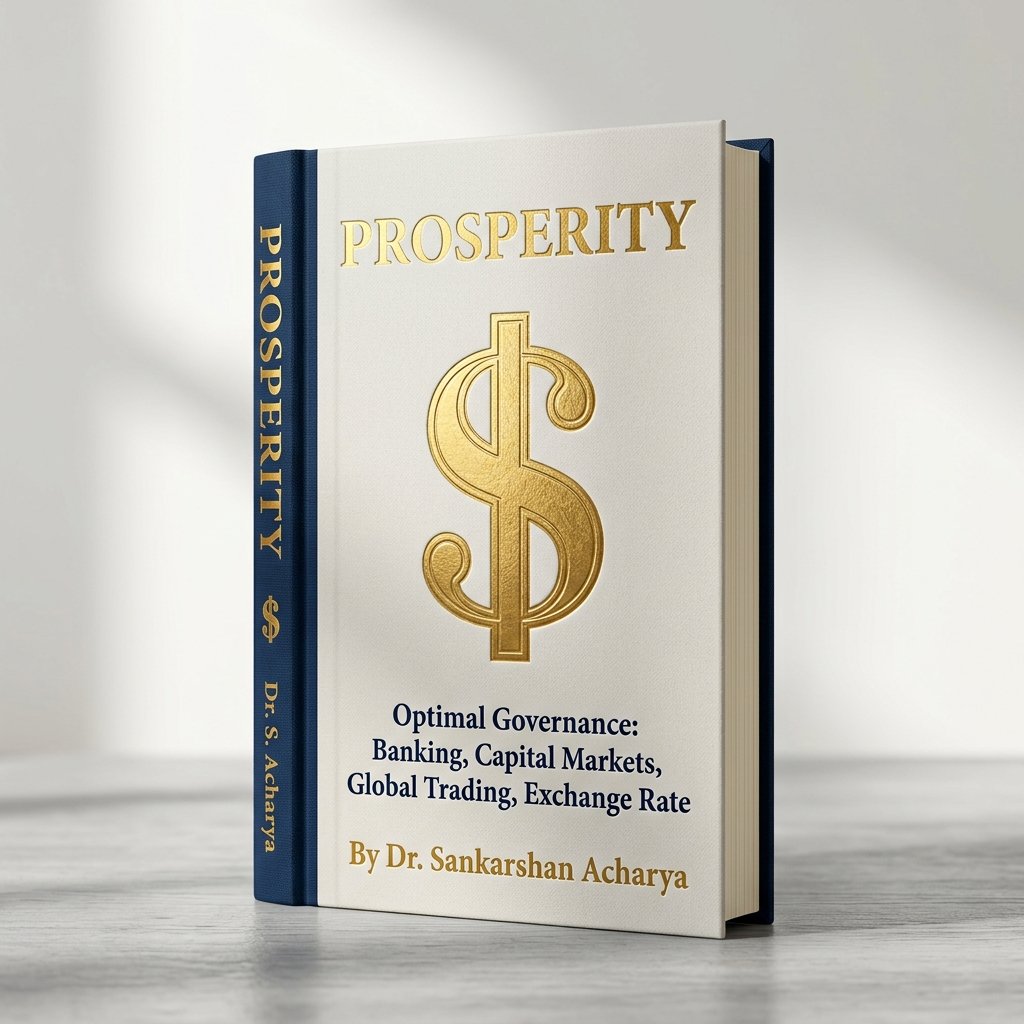
Our first project is a book entitled, "Prosperity: Optimal Governance, Banking, Capital Markets, Global Trade and Exchange Rate." This book is slated to be released in October 2005.
Editorial Board
Citizens Publishing is proud to have an eminent editorial board comprising of individuals who have excelled in their fields and have very deep dedication for public welfare:
Dr. Bhupal Singh, Managing Editor
Dr. Gajendra Singh, Editor
Dr. Banikanta Mishra, Editor
We are also open to solicit opinion of other associates depending on the area of expertise that we may focus on from time to time.
 E-Book